Why Future Technologies Need Face-to-Face Exchange
Prof. Markus Vincze on robotics, international research and the impact of congresses such as ICRA 2026 at VIECON Center
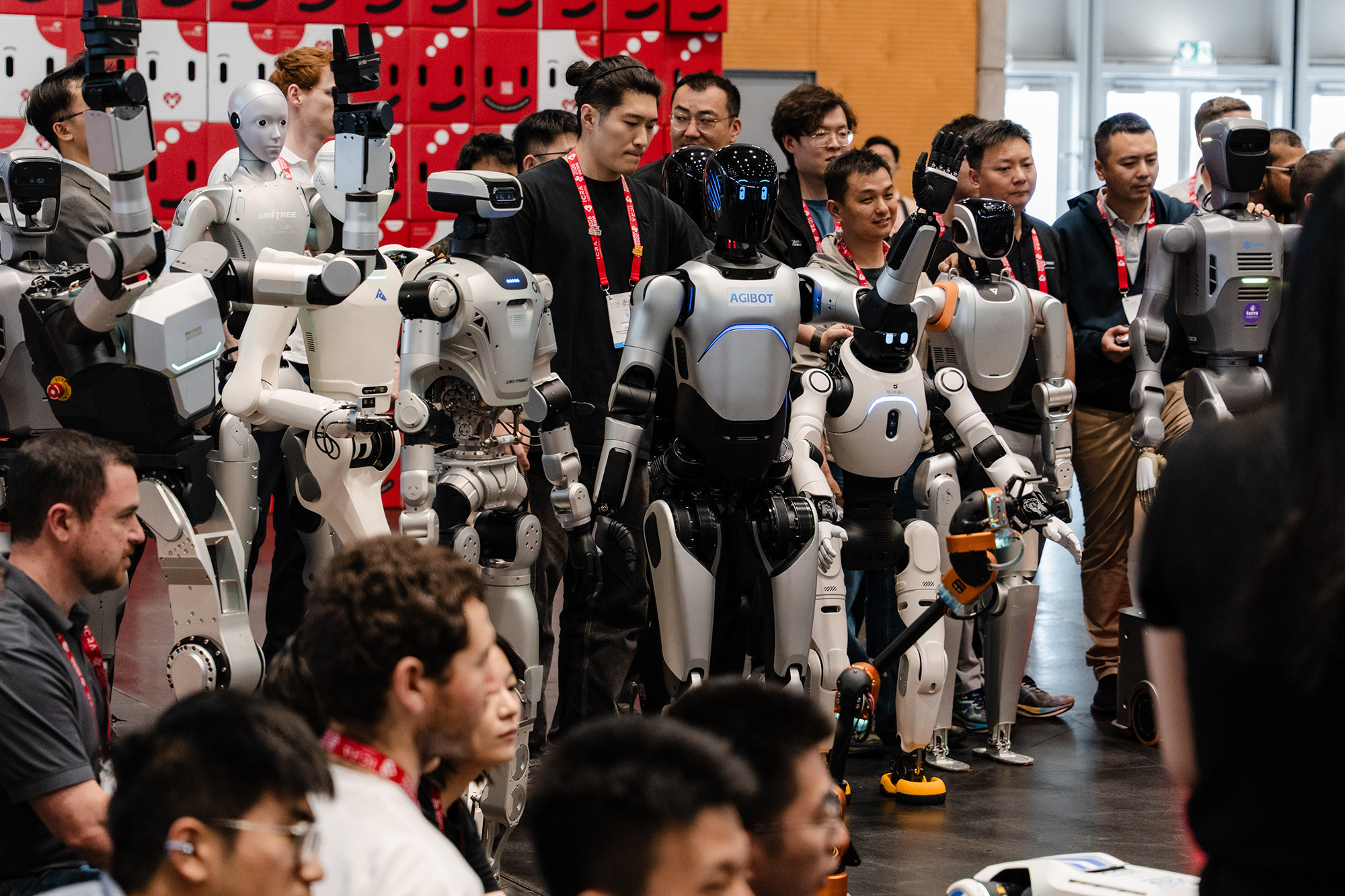
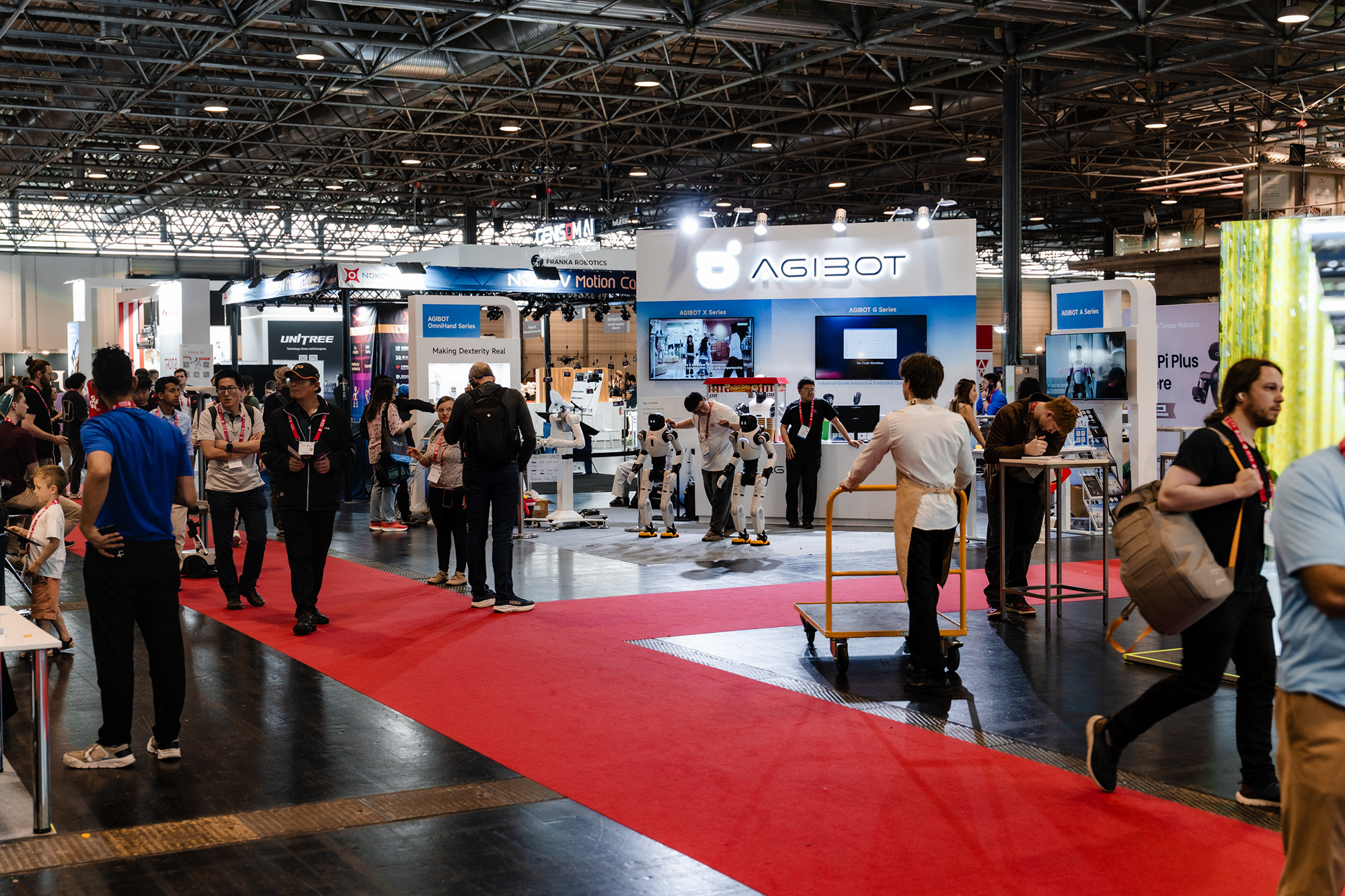
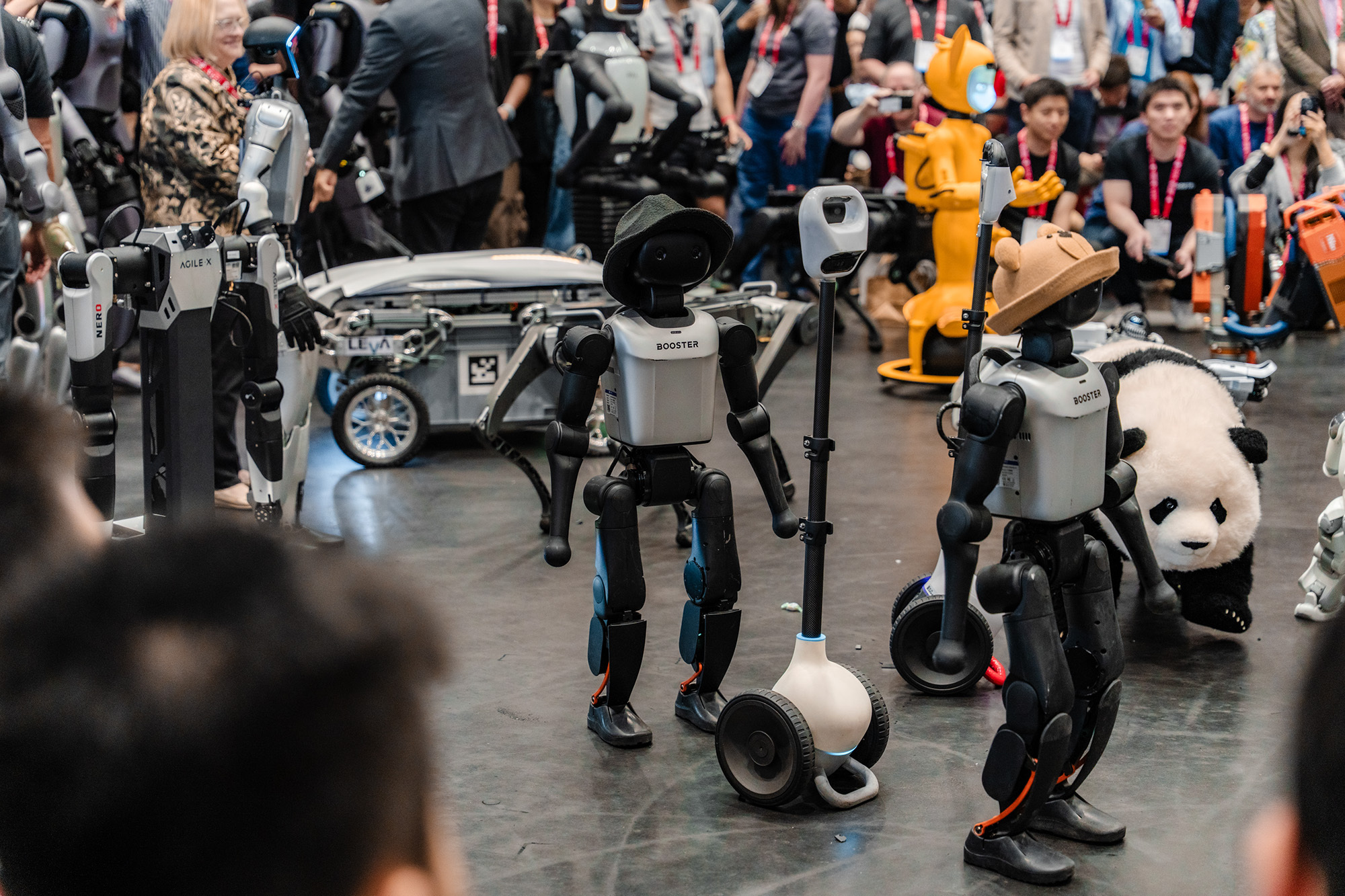
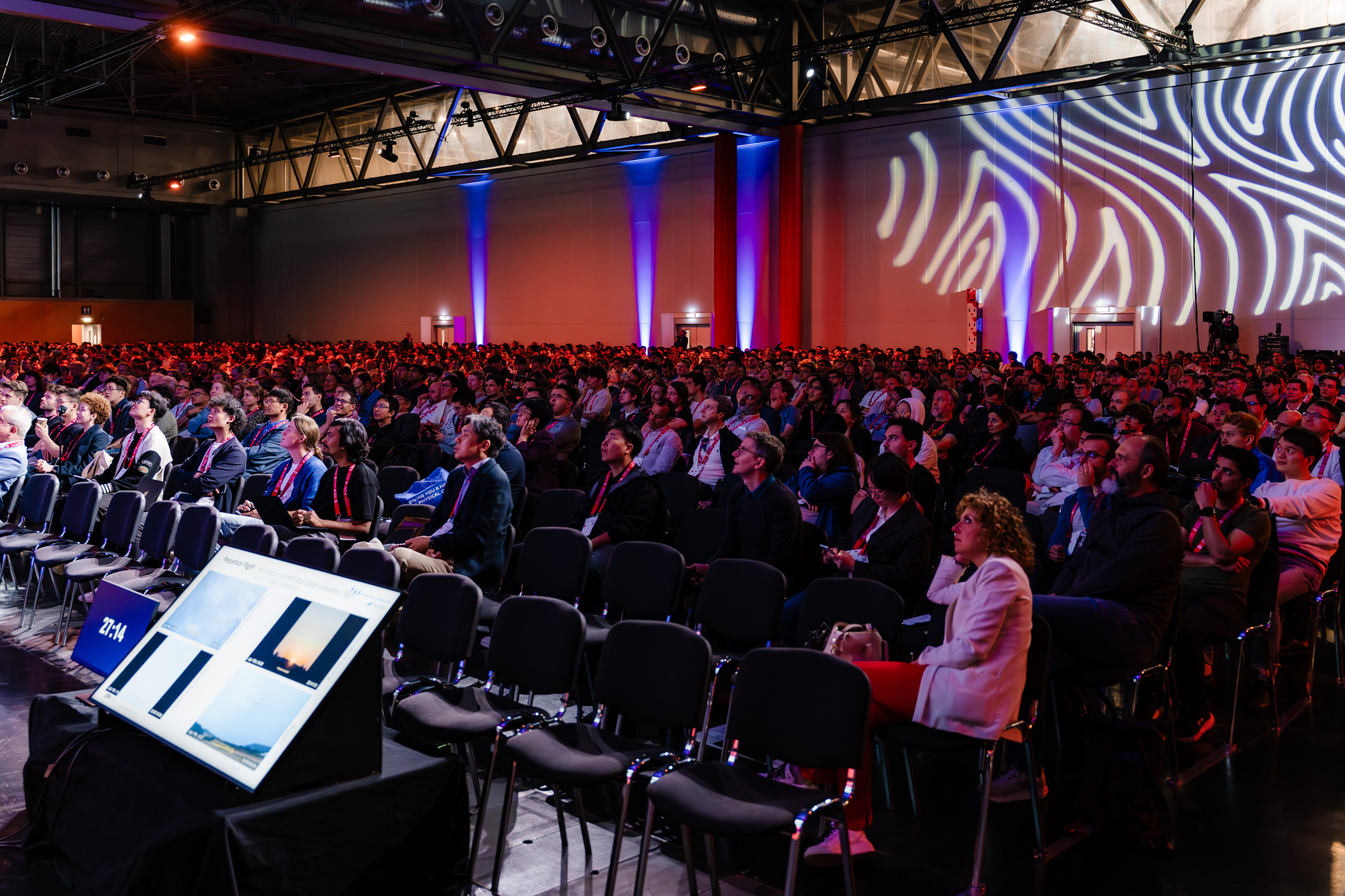
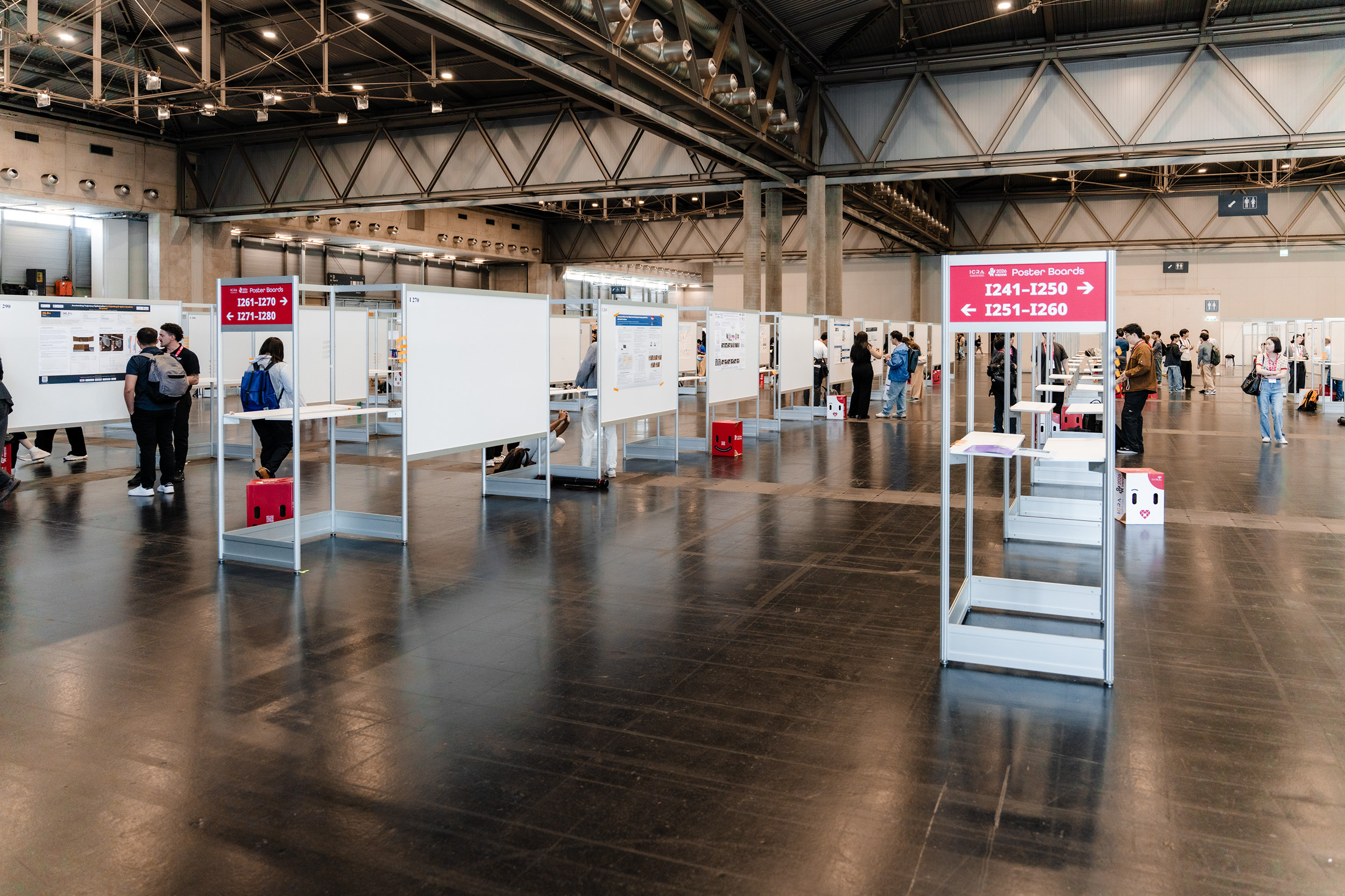
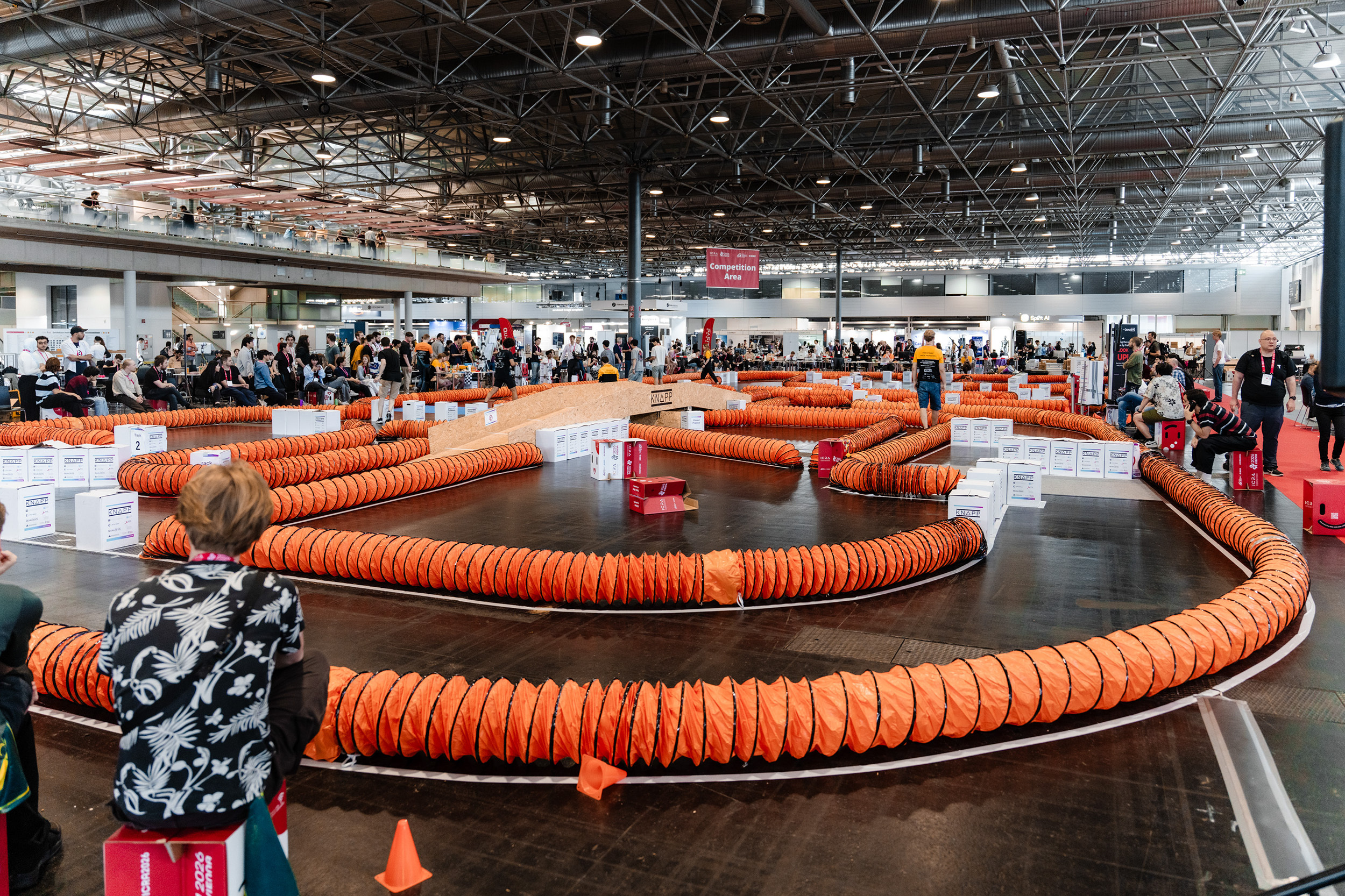
Around 9,000 participants, almost 200 exhibitors, scientific sessions, live demonstrations and international competitions: the IEEE International Conference on Robotics and Automation, ICRA 2026, showed at VIECON – Vienna Congress & Convention Center in early June what modern international congresses need to deliver.
Future technologies such as robotics and artificial intelligence do not evolve in research labs or companies alone. They need places where people meet, experience technologies, discuss applications and initiate new collaborations.
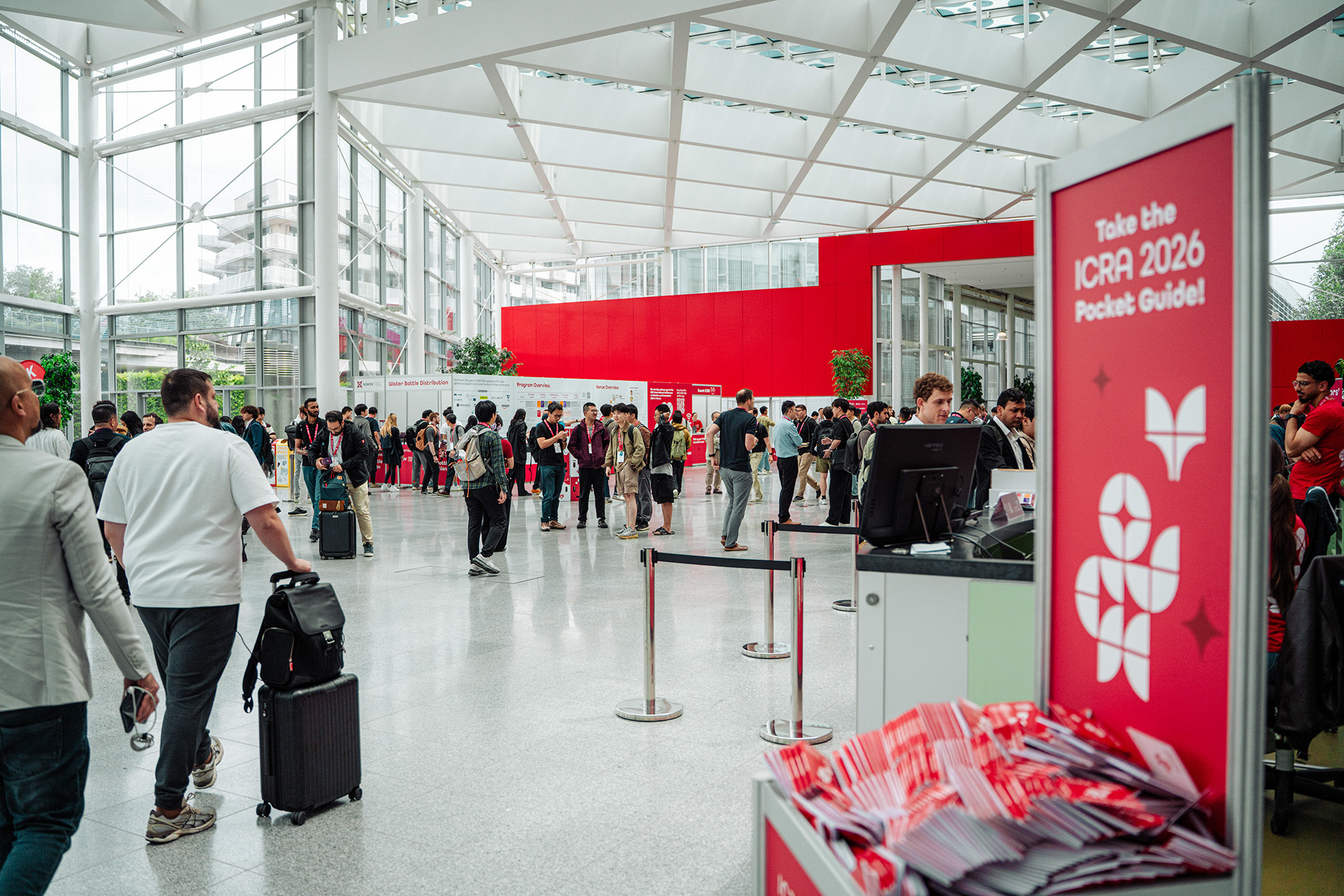
For a conference of this scale, providing lecture rooms is not enough. Scientific sessions, exhibition areas, networking, demonstrations, competitions and major joint program elements need to work in parallel. From a venue perspective, ICRA 2026 showed how important short distances, clear orientation and directly connected areas are for international congresses.
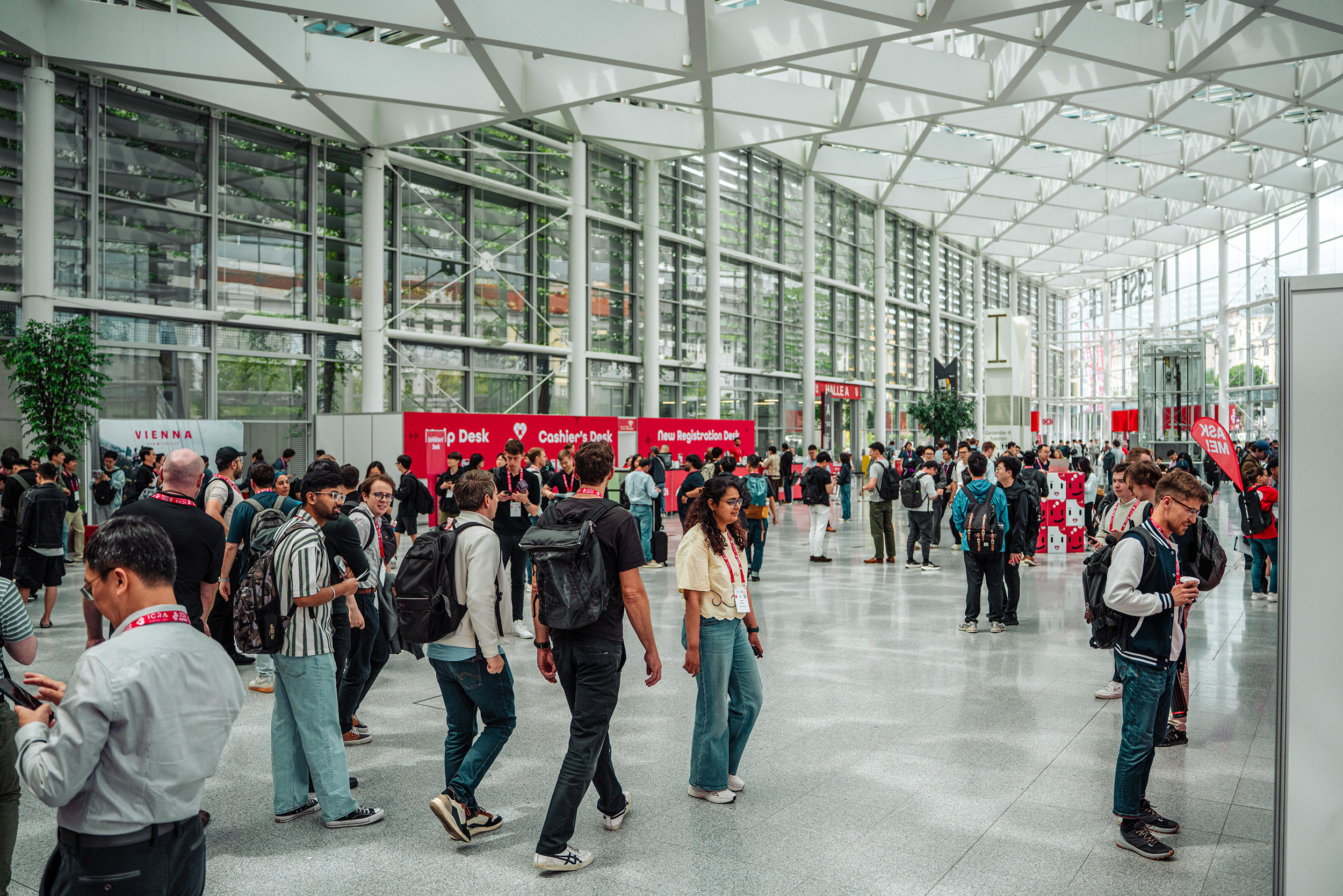
VIECON provides this spatial framework: easily accessible, compactly organized and with directly connected halls, foyers and congress areas. One key advantage is the layout on one level. For international congresses with parallel sessions, exhibition areas and networking, this means short distances, clear orientation and more opportunities for face-to-face exchange between program elements.
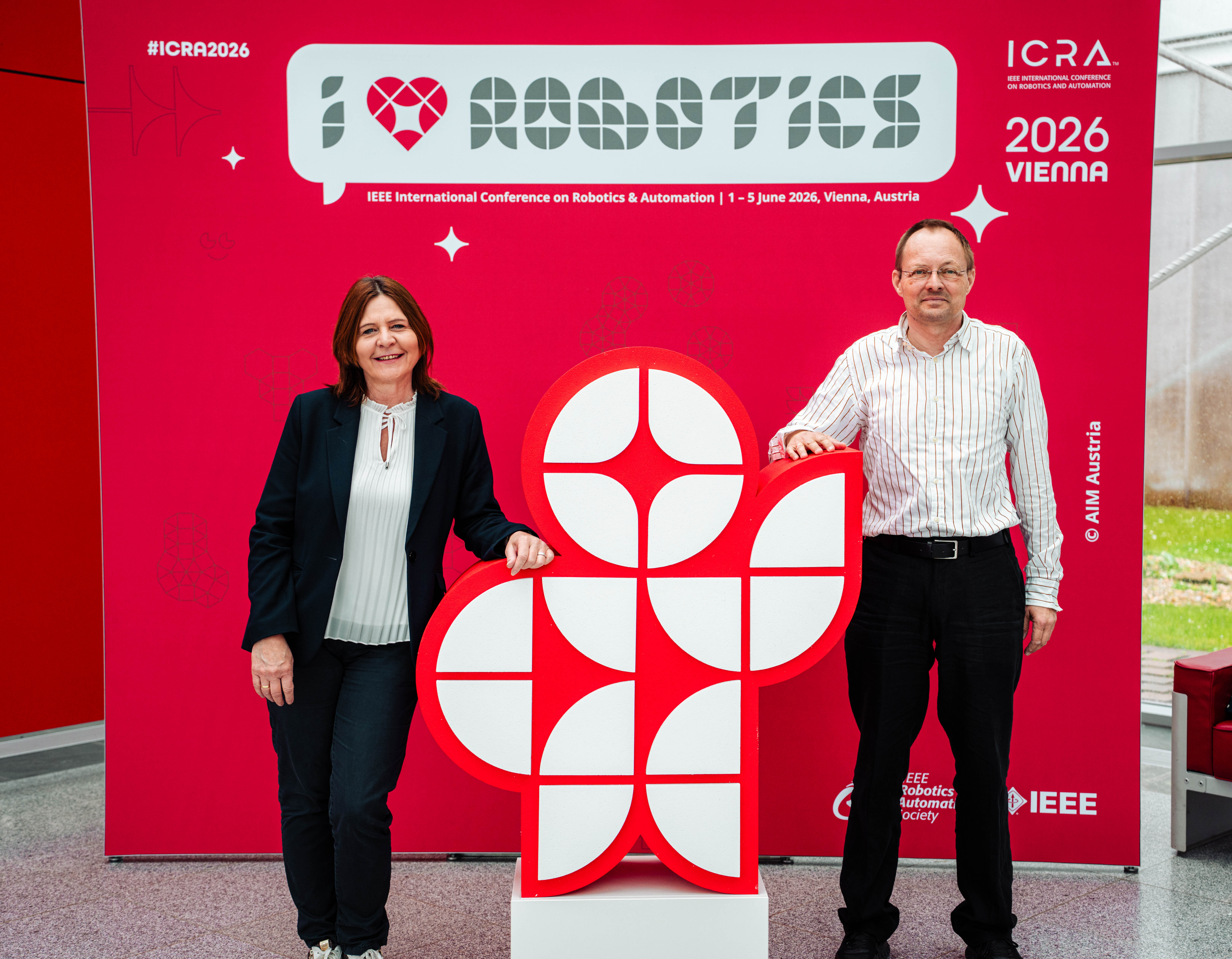
For Prof. Markus Vincze from TU Wien, Congress Chair of ICRA 2026, these encounters are an essential part of international scientific congresses.
Why international congresses matter for research
ICRA is one of the most important international conferences in robotics and automation. In 2026, almost 200 exhibitors, around 2,800 presentations and scientific publications, and the international who’s who of robotics came to Vienna.
Vincze describes the core value of such congresses very clearly: “Networking is actually always the best part of conferences.” For him, it is about meeting familiar and new people, discussing problems and thinking together about possible solutions.
Face-to-face exchange has a different quality than digital communication. Online meetings can make many things easier. But they do not replace the conversations that happen by chance: after a session, in the exhibition area, on the way to the next program item or during an evening event.
This is why the choice of venue is essential for international scientific congresses. A good congress venue does not simply provide rooms. It enables encounters. Short distances, clear orientation, flexible spaces and strong accessibility all influence whether people start talking to each other and whether a congress works as a connected experience.
How encounters turn into collaborations
The long-term value of a congress is often not visible immediately. Participant numbers, sessions and exhibition space can be measured. The real impact often emerges later.
Vincze describes this effect through his first ICRA. There, he met people with whom he later carried out a European research project. What began with a shared dinner and informal conversations eventually developed into concrete collaboration.
“At the time, we did not know that this would turn into a European project four years later,” Vincze recalls. For him, this shows the value of face-to-face encounters: “I believe these are the effects that can only arise through people coming together.”
For VIECON, this is a central point. An international congress is not only the program on stages or in lecture rooms. It is a spatial and social environment in which people meet, develop ideas further and initiate new collaborations.
Why robotics needs exchange and context
Robotics is already changing the way we produce and work. Vincze sees the most immediate developments in industry and automation. Companies are under pressure to produce more efficiently and remain technologically competitive. “The past decades have shown that the companies that automate well and are innovative are the companies that will continue to exist,” says Vincze.
At the same time, robotics shows why new technologies need more than presentation. They also need context. Modern systems increasingly use AI, for example in image processing, planning and decision-making. Especially where robots interact with humans, technological performance alone is not enough. Vincze points to a central challenge: with AI, it is not always possible to guarantee that a system will remain within clearly defined limits. That is why additional safety mechanisms are needed, for example to limit speed or movement near people.
ICRA 2026 made these tensions visible: between research and application, technological progress and safety, industrial potential and societal acceptance. It also showed why international congresses are so important for future technologies. They create space to discuss how new applications can be used safely, meaningfully and responsibly.
Why VIECON is relevant for international congresses in Europe
International scientific congresses place high demands on a venue. They require large shared spaces for keynotes and plenary sessions, flexible units for sessions and workshops, areas for exhibitions and demonstrations, and open spaces for networking.
“We chose VIECON because the venue offers the possibilities and the experienced team needed to realise international congresses of this scale and complexity. At ICRA 2026, we had 14 parallel sessions, a large exhibition with around 200 exhibitors, competition areas and many different formats. VIECON was the right place for us to bring all these requirements together,” says Lisa Stern from AIM Group Austria, the Professional Congress Organizer responsible for ICRA 2026.
For international organizers looking for a congress venue in Europe, VIECON offers a combination of large-scale exhibition space, congress infrastructure, strong accessibility, short distances and direct connections between halls, foyers and meeting areas.
For Professional Congress Organizers, this means that different formats can take place in parallel without the congress becoming spatially fragmented. For participants, it means clear orientation, short routes and a high density of opportunities to meet.
Accessibility also plays a central role for international congresses. Vienna is a well-connected European congress city. VIECON additionally benefits from direct access to public transport, proximity to hotels and the compact connection of halls, foyers and congress areas. In this way, the VIECON Center shows how a European congress venue can support international communities that want to bring together exhibition space, science, networking and major program elements in one place.
What remains after an international congress
The impact of a congress does not end with the last program item. It becomes visible in contacts that continue, in ideas that resonate and in research projects that often emerge years later.
ICRA 2026 at VIECON showed how important face-to-face exchange remains for future technologies. Robotics and artificial intelligence need places where people can meet, experience technologies, discuss applications and initiate new collaborations.
The long-term impact of a congress often begins not with a presentation on stage, but with a conversation that turns into something new years later.
Online since: 15. June 2026